Why Do GLP-1 Medications Cause Hair Loss?
At Hinchley Medical , we support patients throughout their weight-loss journey with GLP-1 medications such as Wegovy, and Mounjaro. Some individuals notice increased hair shedding as treatment…
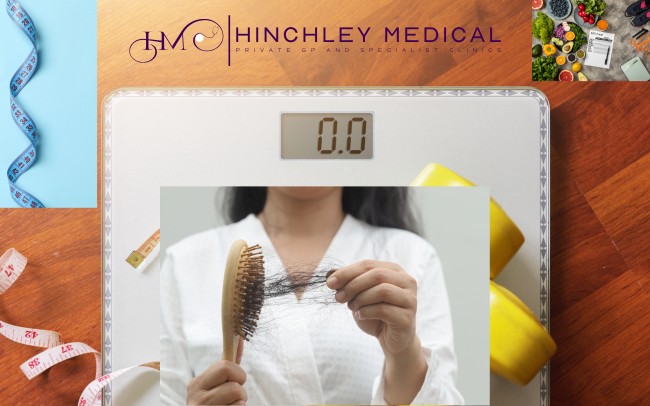
Hair Loss and GLP-1 Treatments at Hinchley Medical
At Hinchley Medical, we support patients throughout their weight-loss journey with GLP-1 medications such as Wegovy, and Mounjaro. Some individuals notice increased hair shedding as treatment progresses. Our clinical experience and research show that this is typically temporary, reversible and strongly linked to rapid weight loss and reduced nutrient intake rather than the medication harming hair follicles.
At Hinchley Medical, our clinicians routinely help patients prevent and reverse GLP-1 related hair shedding through structured assessment and targeted nutritional optimisation.
What Type of Hair Loss Occurs?
The most common pattern we see is telogen effluvium (TE) — a non-scarring, diffuse shedding caused when a larger proportion of hairs enter the resting phase. TE almost always improves with tailored correction of triggers.
Why Hair Thinning Happens During GLP-1 Therapy
1) Rapid Weight Loss
Many of our patients experience excellent early weight loss with GLP-1s. However, quick reductions in body weight can temporarily disturb the hair-growth cycle, causing shedding 2–3 months later.
2) Low Protein or Micronutrient Intake
GLP-1s significantly reduce appetite. Some patients unintentionally consume too little protein or experience low ferritin, zinc, vitamin D, B12 or folate — all essential for healthy hair. Hinchley Medical clinicians proactively screen for these deficits.
3) Hormonal and Metabolic Adjustments
As the body adapts to weight loss, subtle shifts in thyroid signalling, leptin and sex hormones can influence hair cycling. These changes are temporary and improve as weight stabilises.
4) Medication Association
Although hair loss is mentioned in post-marketing observations, current evidence suggests the degree of weight loss is the primary factor, not direct follicle damage from GLP-1s.
Typical Recovery Timeline
- Onset: 2–3 months after rapid weight change
- Peak shedding: 3–4 months
- Improvement: typically begins at 6–9 months
- Full regrowth: up to 12 months
How Hinchley Medical Supports You
During a dedicated Hair Loss Review, our clinicians provide:
- Detailed history, intake and scalp examination
- Targeted blood testing (ferritin, thyroid, vitamin D, B12/folate, zinc, FBC)
- Diet and protein-intake guidance tailored to GLP-1 users
- A personalised treatment plan, including medical therapies where appropriate
How to Reduce or Prevent Shedding
- Aim for steady, sustainable weight loss guided by our clinicians
- Increase daily protein intake to support follicle activity
- Correct micronutrient deficiencies early
- Use topical minoxidil if appropriate
- Follow gentle hair-care practices during shedding
Frequently Asked Questions
Is this hair loss permanent?
No. TE is temporary and resolves once triggers such as low nutrient intake or rapid weight change are corrected.
Should I stop my GLP-1 medication?
Not usually. Our clinicians help you manage shedding while maintaining safe and effective weight loss. Any medication changes should be clinician-led.
How long will regrowth take?
Most patients see improvement within 3–6 months after optimising nutrition and stabilising weight. Full regrowth may take up to a year.